
04/06/2020
It Is Important to Realise What Good the Current Situation Brings Me, Says Psychologist
ČSH
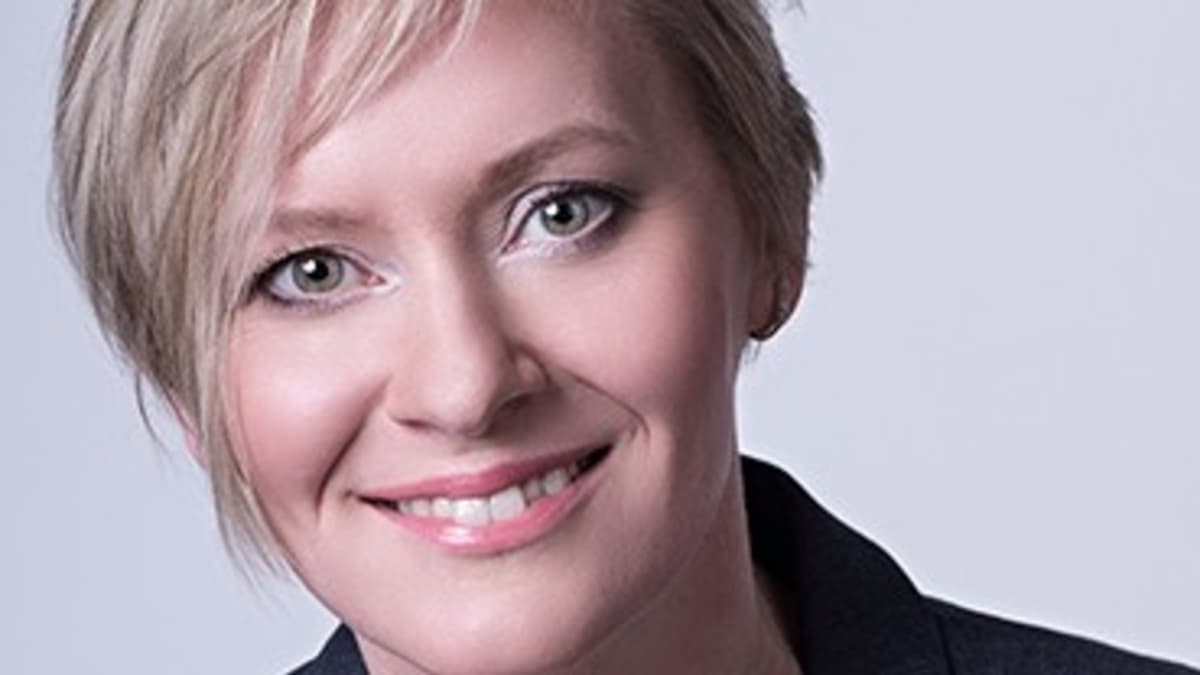
The current situation is likely difficult for everyone, albeit for different people perhaps for different reasons. Individuals with serious chronic illnesses, including the bleeding disorder haemophilia, are often more afraid of contracting the new coronavirus than the general population. They may also experience anxiety regarding current changes in the health-economic system on which they are vitally dependent. How should one deal with fears and anxiety? How can one maintain optimism in the current circumstances while also keeping the routine and discipline essential for managing the disease? Clinical psychologist Mgr. Petra Bučková from Masaryk University and the University Hospital Brno answered these and many other questions.
You work long-term with patients with a serious bleeding disorder — haemophilia. How do they generally perceive the current state of the coronavirus pandemic? Are these patients more afraid of infection, do they worry about hospitalisation?
For all people, without exception, the perception of the current coronavirus pandemic is primarily influenced by the fact that it is a potential threat with which none of us has experience, nor do the medical authorities from whom we expect a high degree of protection and help. Patients with a serious bleeding disorder also belong to a risk group because they suffer from a chronic illness. Uncertainty therefore arises about the extent to which they are at risk and, above all, whether the supply of medicines on which they depend will be ensured. This can significantly affect the level of uncertainty, and thus anxiety. Fear of infection and potential hospitalisation grows with the degree of internal uncertainty and the feeling of being threatened.
You mentioned the uncertainty of patients regarding the supply of prophylactic medicines, which are very expensive. Do you think haemophilia patients think about this often?
That is a logical consideration and reaction. The current situation is characterised by a high degree of instability, expenditures, and the expectation of economic recession. Patients are dependent on their medicines and need a stable economic-political system in which they can rely on the support and care that is very well provided in our country. This question might be better directed at the Ministry of Health of the Czech Republic, which determines the conditions for drug distribution.
Activity Is Important When Dealing with Anxiety
Many individuals in the general population also struggle with anxieties that, in addition to possible infection, are associated with existential problems and above all with social isolation and constant changes and uncertainty. I assume it is the same for haemophilia patients. How should one deal with these anxieties?
Anxiety is part of the protective system whose task is to activate our organism in danger. When we feel threatened, anxiety prepares us for fight or flight. It is a mechanism that has served us very well for survival throughout history. The problem can be the fact that we may react this way even in situations that are not actually threatening to us. It is enough that the situation is unclear to us, we lose our sense of control, and we feel threatened. Then our anxieties may stem from unrealistic catastrophic ideas that do not correspond to events in our lives.
If we are struggling with anxiety, it is good to realise that activity is important. Several basic questions can guide us: What is the hardest thing for me about the current situation? What do I have under control? What is beyond my control? What do I need right now? How can I achieve it? What difficult things have I already overcome in life? What helped me then? Could this experience help me now as well?
If people realise that they are overwhelmed by their anxiety even though they are not at risk in real life, they can help themselves by developing various strategies for facing their anxiety. These may include physical or relaxation exercises or a meaningful activity that gives the person pleasure and diverts their attention from unpleasant thoughts. If this still does not help, they should seek professional help, for example from a clinical psychologist or psychiatrist. If we realise that our anxiety is warning us of real difficulties, then we need to turn to professionals who can help resolve the situation, such as legal or financial advisers or the police.
A Fairy Tale for Children
How is it appropriate to communicate about COVID-19 and the current restrictions with children? They may not understand some connections, and moreover, many of them find social isolation very difficult.
Children orient themselves in situations based on the emotional state of their parents. However, they need, just like adults, to understand the meaning of the whole situation. If the parents are coping with the situation, if they talk together about the reasons for restrictions and possible risks in the current situation, then children generally adapt well too. If there is tension at home and people do not talk about the reasons, children usually react with increased tension, typically by acting out. Children have magical thinking, so one possibility is, for example, to make up a fairy tale about what is happening and why.
What general recommendation do you have when it comes to maintaining optimism and calm?
It is always good to realise in every situation what good it brings me, in addition to what it takes away. For example, I finally have time to sleep properly, or I can spend more time with my children than usual. Generally speaking, we feel good when we experience a sense of safety and control. In every situation of loss, we must realise whether we can do something about it. If not, there is nothing else for us but to accept the current state and come to terms with it. If we do not accept an unwanted loss, we experience feelings of injustice and anger over and over again that we cannot get rid of. If we can do something about the situation, we must realise what we can and want to change, and then we need to fight.
A Plan Is Also Important for Regular Rehabilitation
The current time is also very demanding in terms of self-discipline, which is necessary, for example, for regular rehabilitation, which is particularly important for haemophilia patients. How can one maintain discipline when the standard routine is suddenly missing?
First and foremost, a person must decide that they want to strengthen their self-discipline. If they stay at "I should," but deep down they do not feel like it, then it is better to set minimal requirements, because they would not force themselves to fulfil tasks anyway. If they decide that for good reasons they want to fight, it is necessary to work on self-support. It is useful to create an activity plan, record progress and results, and establish a system of personal rewards. An effective motivational system can also be sharing the activity with someone else — for example, exercising with a friend or using an app. We can help children with rehabilitation by "embedding" it into a game or competition.
Routine is particularly important nowadays for managing other areas of life as well — working from home, guiding children towards optimal independence and activity in dealing with school and extracurricular matters. Do you have any recommendations for this?
If we want to achieve something, we need courage for it. The art of support, self-support, and kindness to oneself is, in my opinion, a very important self-educational factor that gives us the courage to overcome obstacles. If someone repeatedly fails to keep their resolutions, it is good to honestly answer whether they truly want to, or are just telling themselves they should. Furthermore, it is good to check whether they are setting goals that are too high for themselves or others. It is always good to start with small tasks, as success strengthens motivation. In relation to children, it is good to realise that both support and frustration are important for development. If children are not interested in fulfilling their tasks, an effective strategy is "something for something" — for example, making the amount of time spent with a mobile phone conditional on time spent completing tasks and helping around the house.
The article was created for the website www.mojemedicina.cz, operated by Roche s.r.o.
Mgr. Petra Bučková, clinical psychologist
She graduated from the Faculty of Arts at Masaryk University in Brno, specialising in professional psychology. She began her practice as a school psychologist in a special nursery school and special primary school for children with speech disorders in Brno. Since 2011 she has been working at the Department of Clinical Psychology at the University Hospital Brno, where she primarily works with patients with oncological diseases. Since 2012 she has also been working with patients with bleeding disorders and is a member of the multidisciplinary team for comprehensive care of haemophilia patients at the University Hospital Brno. Since 2018 she has also been a member of the working group for psychosocial care at the international organisation EAHAD (European Association for Haemophilia and Allied Disorders).