
Back to News
léčba
11/03/2021
Statement on Pandemic Vaccination
ČSH
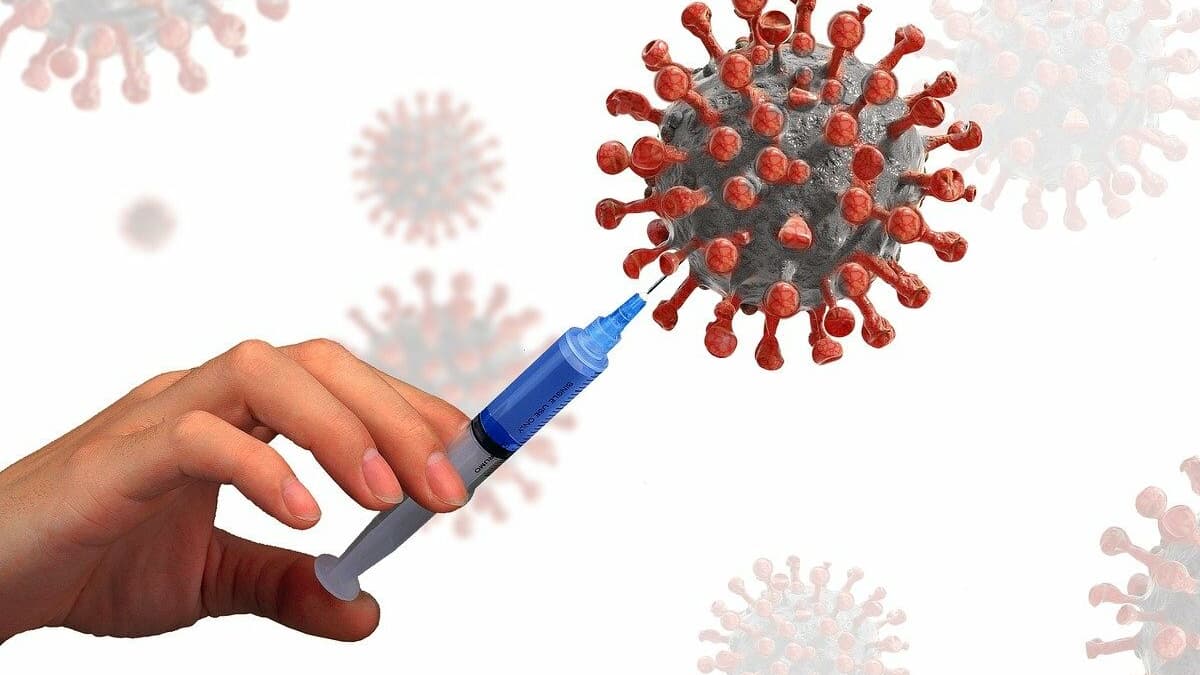
Vaccination against COVID-19 is the most pressing topic of recent months. Statements have been issued by the World Federation of Hemophilia (WFH), the European Association for Haemophilia and Allied Disorders (EAHAD), the European Haemophilia Consortium (EHC), and the National Hemophilia Foundation of the United States (NHF). The statement applies to persons over 18 years of age; for younger individuals, we continue to monitor developments and studies.
- People with bleeding disorders are not at increased risk of COVID-19 infection or developing a severe form of the disease, and are therefore not considered a priority group for vaccination.
- The vaccine should be administered intramuscularly. When possible, the thinnest available needle should be used (25-27 G, i.e. 0.4-0.5 mm outer diameter). Some vaccines must be administered with the included needle and syringe combination, so the use of a different needle may not be possible or desirable. Pressure should be applied to the injection site for at least 10 minutes after injection to reduce the risk of bleeding and swelling. In addition, to ensure that bleeding has not occurred, it is advisable to check the injection site by palpation after a few minutes and then again after 2-4 hours. Arm soreness for 1-2 days after injection should not be cause for concern unless it worsens or is accompanied by swelling. Any adverse effects (e.g. haematoma, allergic reaction) should be reported to the hemophilia center.
- If the vaccinated person experiences an allergic reaction (local warmth and redness, itchy rash, shortness of breath, or swelling of the face or tongue), they should immediately contact their physician or visit the nearest emergency department, as this may be a life-threatening condition. Those who have previously experienced an allergic reaction to extended half-life concentrates based on PEG should consult their physician about vaccine choice, as some vaccines contain PEG as an excipient.
- In severe and moderate hemophilia, the vaccine should be administered after an injection of Factor VIII or IX. With a baseline factor FVIII or FIX level above 10%, hematological cover is not necessary.
- Hemophilia patients treated with emicizumab can be vaccinated intramuscularly without administration of clotting factor.
- Persons with von Willebrand disease type 1 or 2, depending on the baseline level and activity of von Willebrand factor (vWF), should use DDAVP therapy or tranexamic acid after consultation with their hemophilia center. Persons with vWD type 3 should receive an injection of vW factor.
- There are no specific contraindications for vaccination in relation to hemophilia and other bleeding disorders. Neither immune tolerance therapy nor treatment for hepatitis C and HIV constitutes a contraindication.
- Vaccination is not contraindicated during immunosuppressive therapy (corticosteroids and other immunosuppressants).
- Any potential contraindications should be discussed individually with a physician; recommendations may differ between countries due to missing data for specific groups.
- British and American drug regulatory agencies recommend caution when using Pfizer/BioNTech vaccines in people with a history of severe allergic reactions.
- Vaccination of clinical trial participants should be reported to the trial organizers.