28/10/2015
Meeting of Generations for the Third Time
ČSH
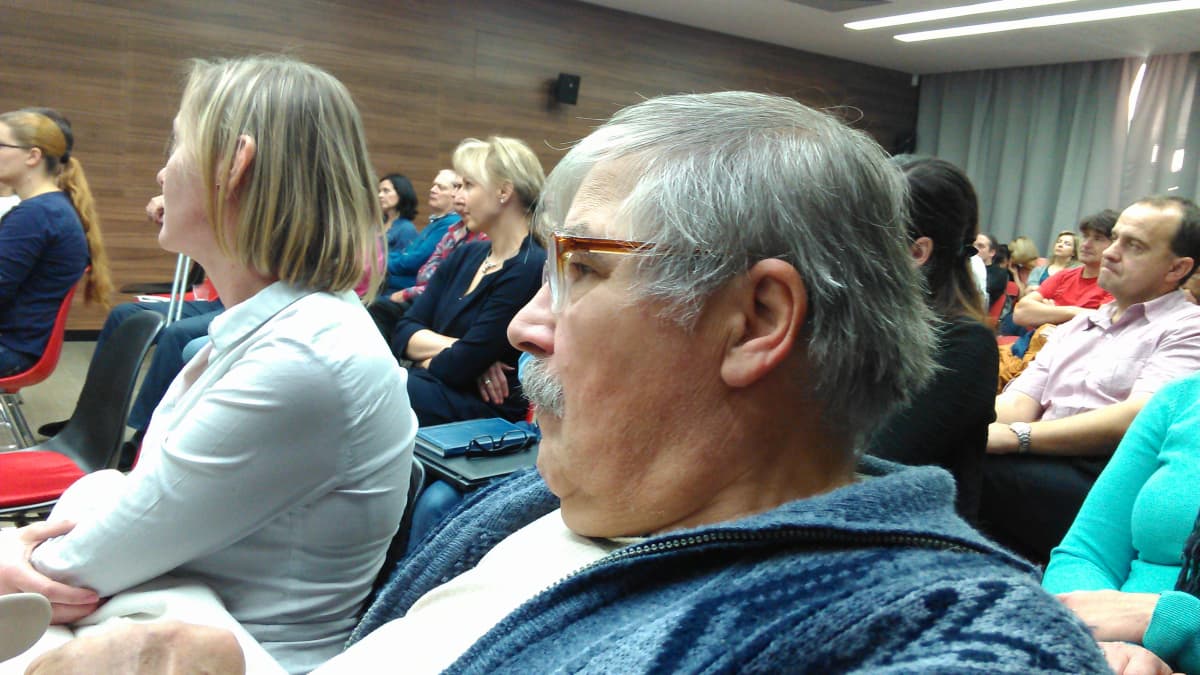
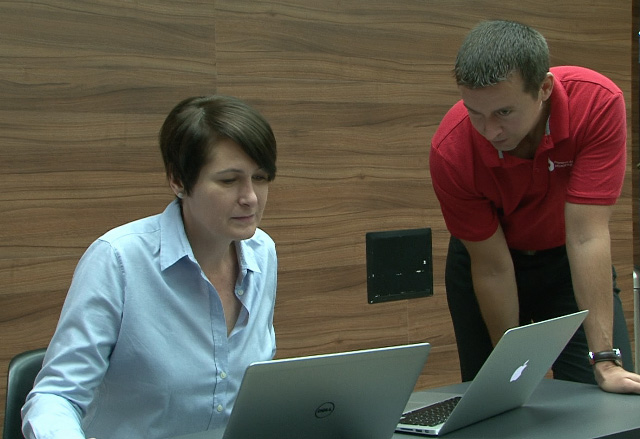
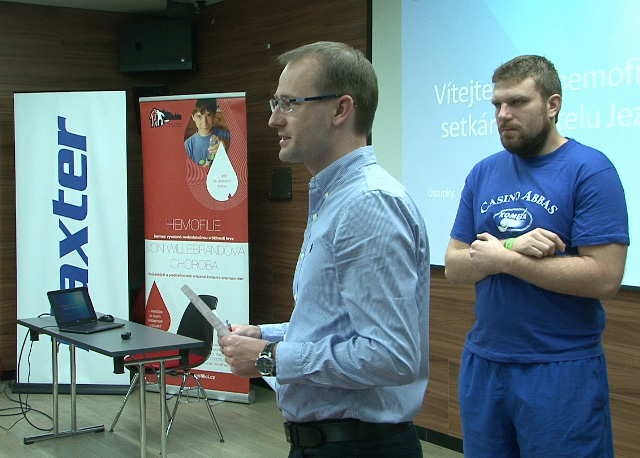
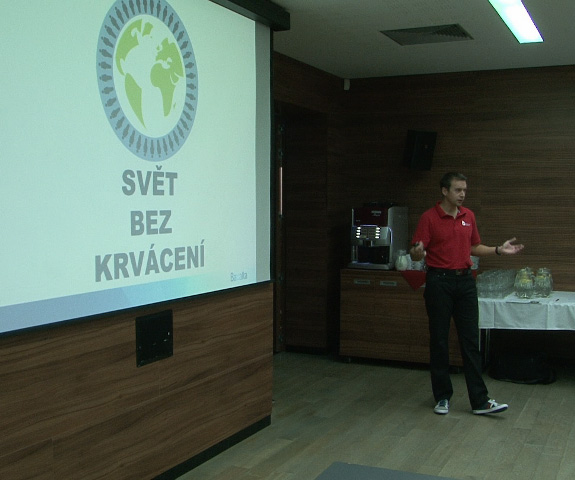
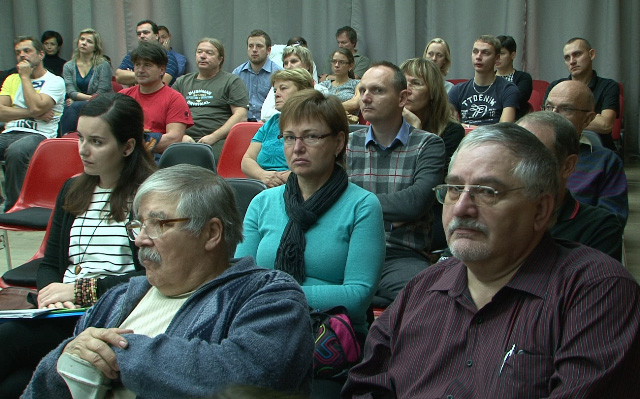
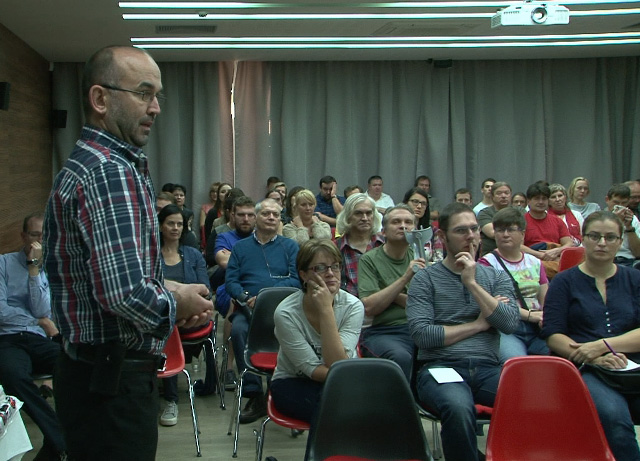
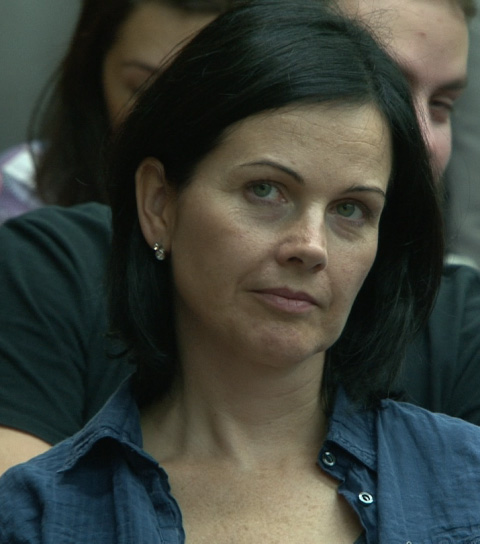
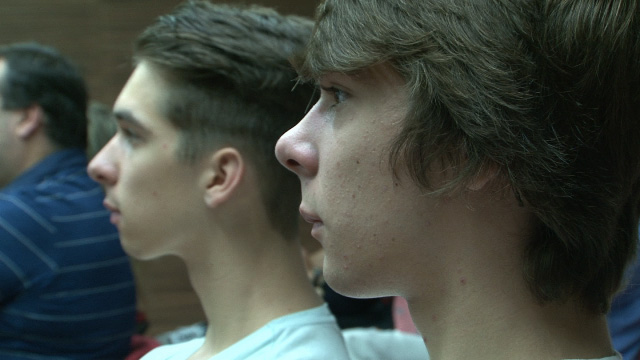
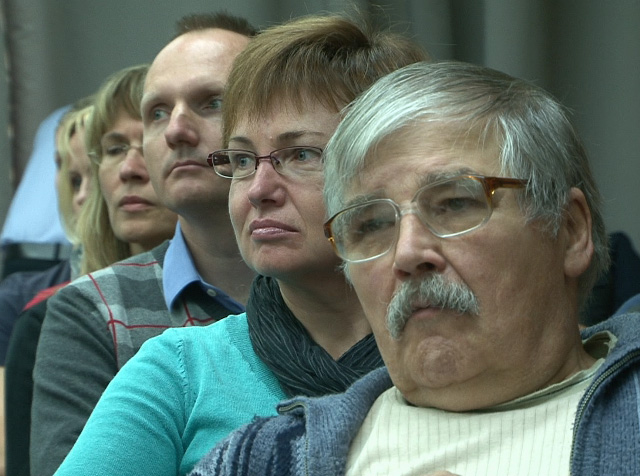
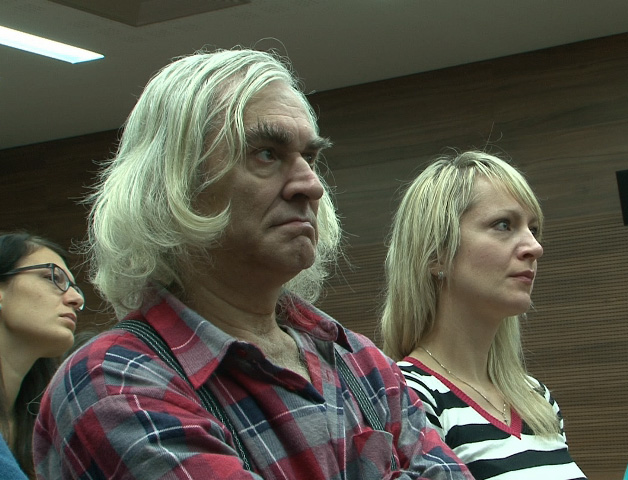
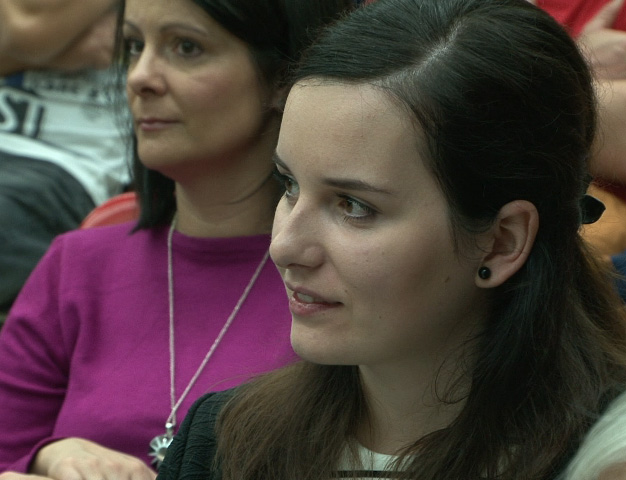
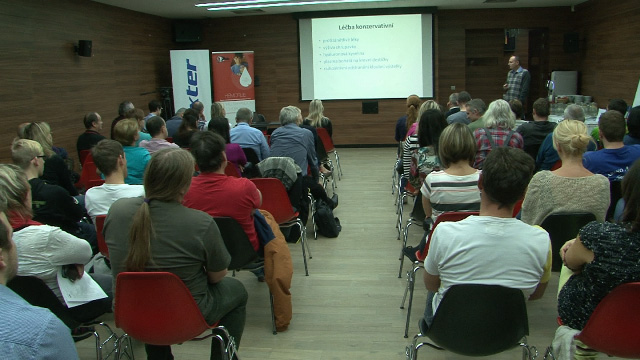
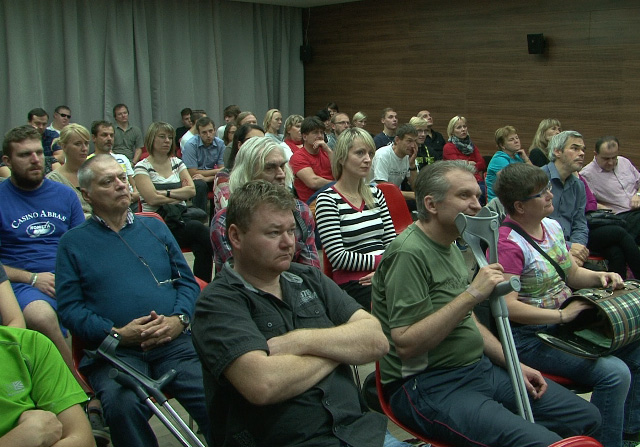
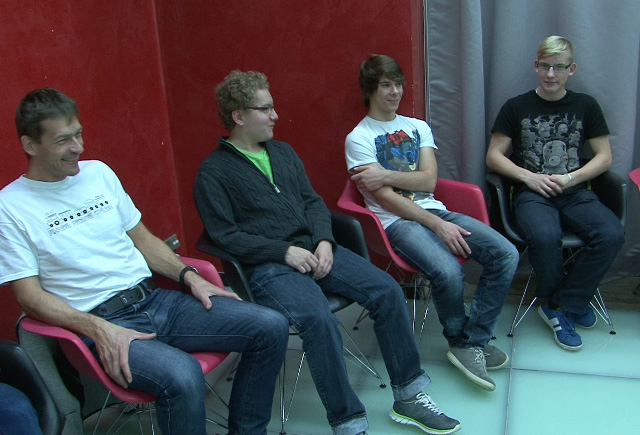
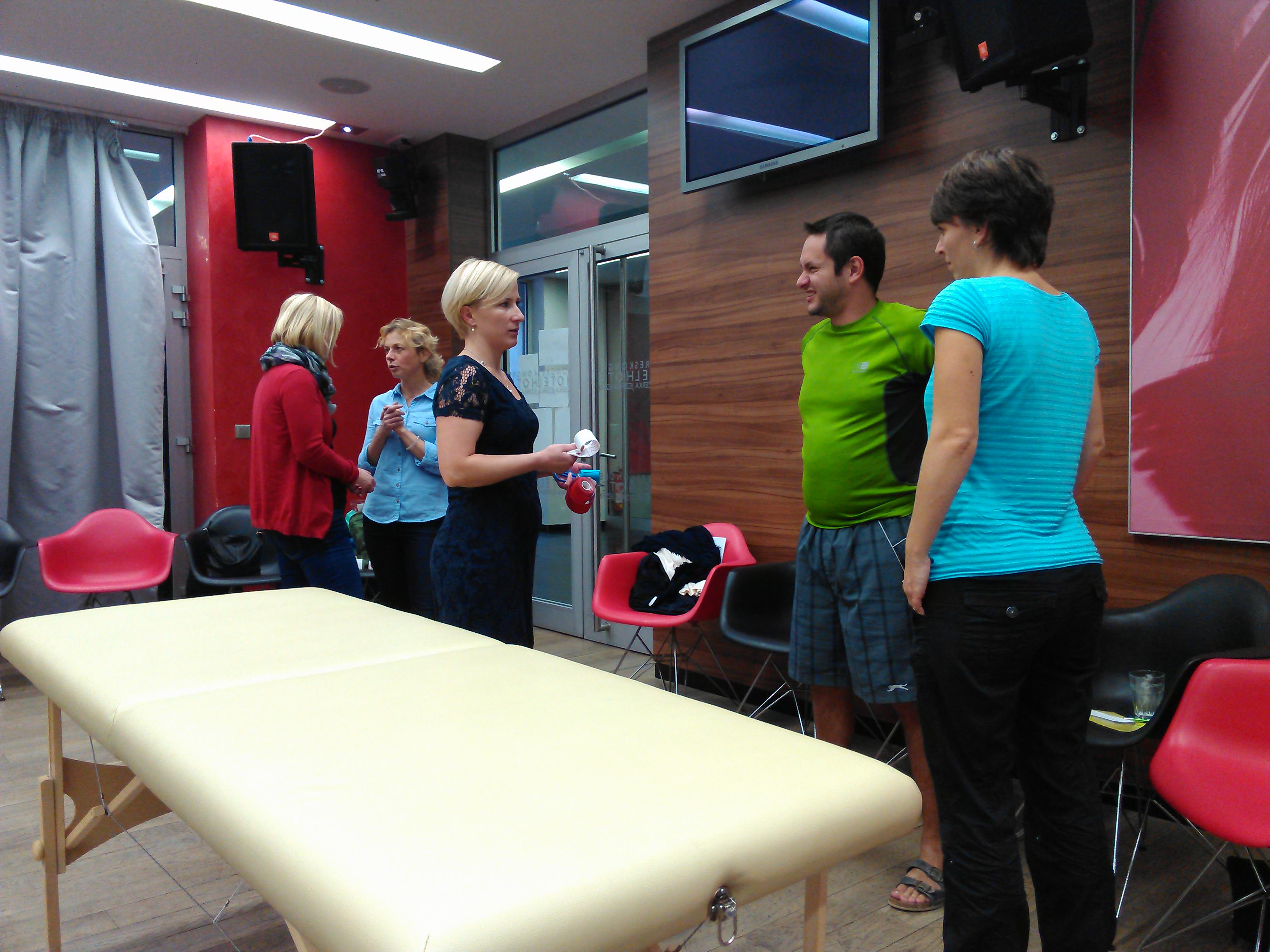
The autumn-coloured surroundings of Hotel Jezerka welcomed participants to another intergenerational meeting entitled "We Are Here for You." Once again, we were met with a warm reception and top-level services. The dry summer caused the water level of the Seč Reservoir to drop dramatically, but the same cannot be said about the number of participants. Although the attendance did not exceed last year's record, interest was again strong. Around eighty participants of all age groups could look forward to a range of new information from experts in several specialisations, practical demonstrations and exercises related to the previous lectures, wellness, and above all, different generations of those who share something in common with haemophilia met here.
This reinforces our conviction that intergenerational meetings are meaningful and important. Although voices are occasionally heard saying "this no longer gives us anything, we have already heard what we wanted to," etc., we dare to say that there is never enough information and news about haemophilia treatment, and even if there were, it certainly does not hurt to review some of it. That there is always something new to learn was also demonstrated at the autumn annual conference of the European Haemophilia Consortium in the Serbian capital, whose programme we informed you about in one of our previous articles.
What we have long observed is the differing approaches to treatment across haemophilia centres in our country. We would especially like to contribute to improvement -- whether through regional workshops, training physiotherapists, raising awareness among the professional public, or through personal contact with the centres themselves. As early as November, haemophilia will be one of the topics at the so-called Pelhřimov Evening, which is expected to attract around 200 paramedics from the Czech Republic and Slovakia.
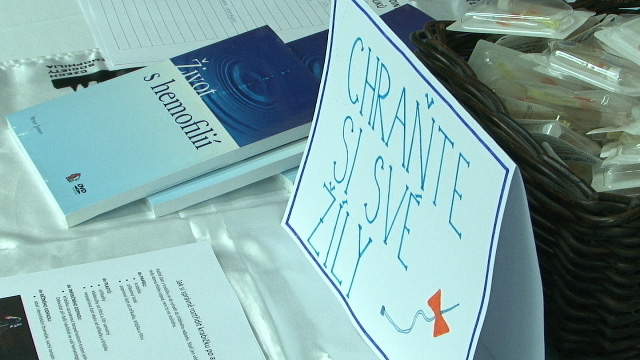
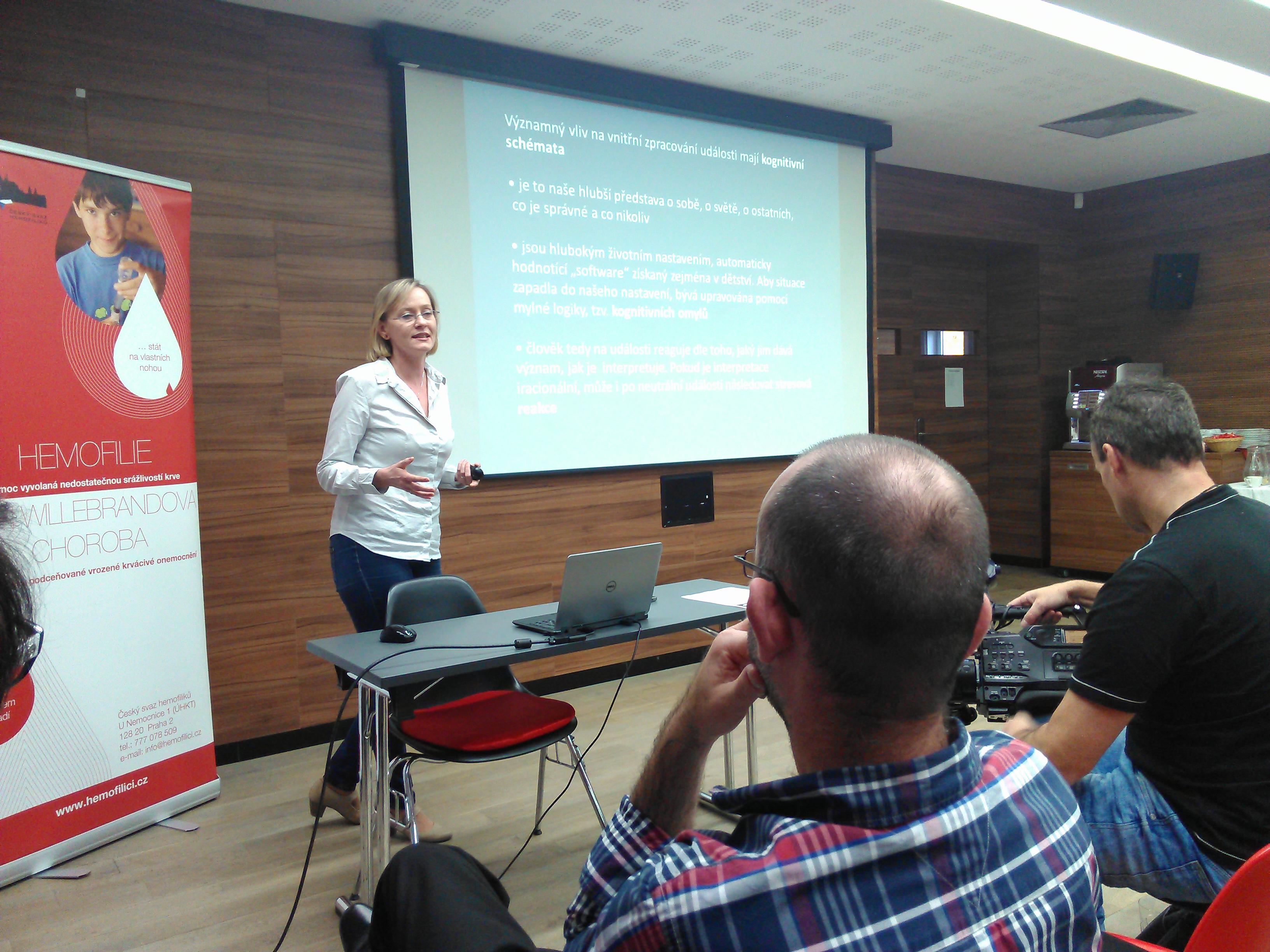
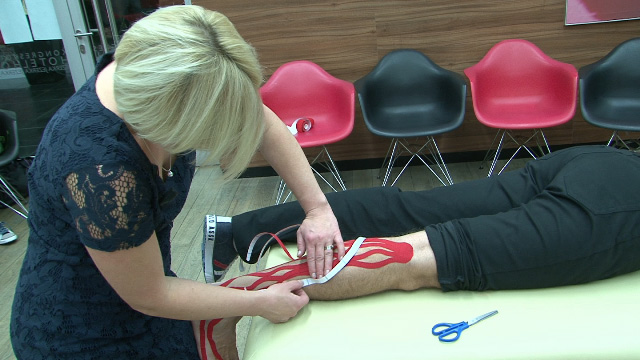
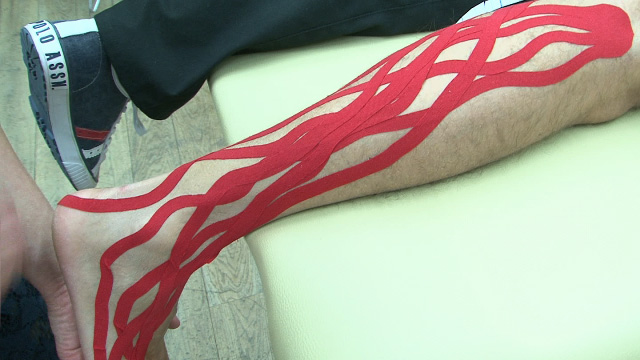
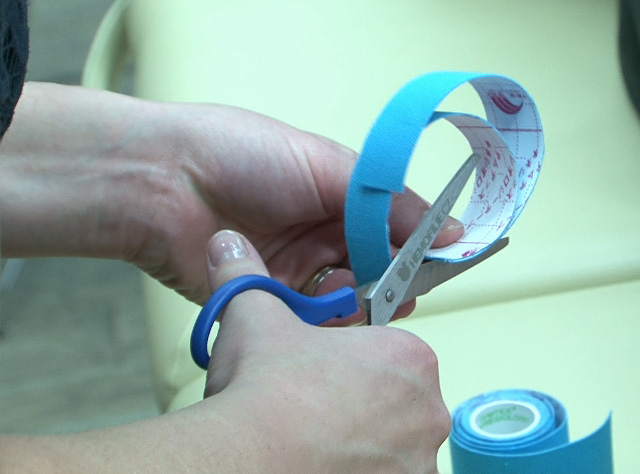
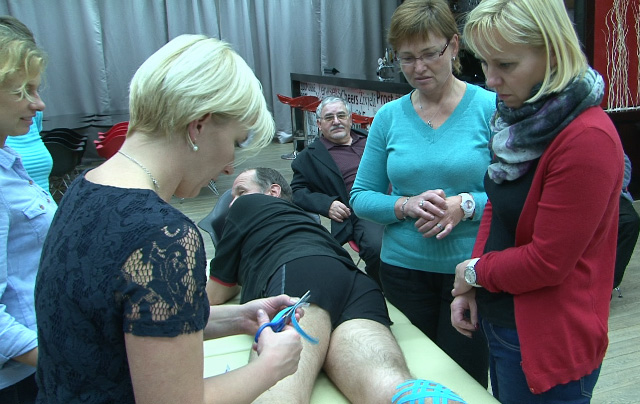
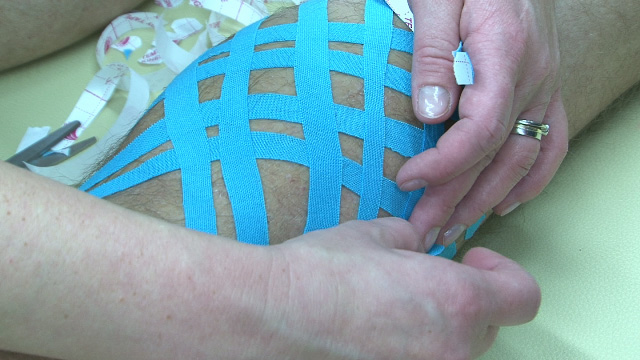
From the meeting at Jezerka, we get the impression that some people still lack basic facts about haemophilia, are interested in practical aspects of treatment, and need help in social and psychological areas. Members of the CSH and Hemojunior came up with suggestions for lectures, which subsequently became topics of the afternoon workshops. The one led by Dr. Jan Blatný, head of the paediatric department at Brno hospital, touched on questions of administration (where and when to administer, how to care for veins, how to deal with waste), experiences with emergency medical services (both positive and negative), vaccination, and more. Physiotherapist Marie Katzerová gave a practical demonstration of so-called kinesiotaping to those who had not yet encountered it. This is a modern physiotherapeutic method where elastic tape is applied to the body, popular mainly among athletes. The tape is made of cotton and has the same weight and thickness as human skin. The cotton strips allow air and moisture to pass through. The main function and goal of taping is to provide support, reduce swelling, restrict movement in an undesirable direction, and relieve pain. Thanks to its favourable properties, kinesiotape can be worn for several days, and it is increasingly being used by haemophilia patients for reducing swelling and pain relief.

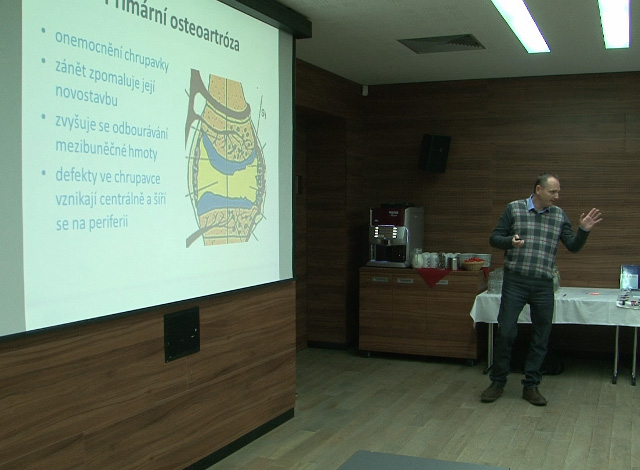
Psychologist Petra Bučková was this year joined by Anna Kiššová from the clinical psychology and psychotherapy outpatient clinic in Rožnov pod Radhoštěm. This created space for a group of adolescents and families of young haemophilia patients. However, time was a great enemy -- interesting discussions unfortunately had to be cut short. Peter Salaj also spoke with information on how haemophilia patients are cared for at ÚHKT Prague. He devoted considerable attention to women who do not suffer from haemophilia themselves but carry it. This fact is also associated with problems that can significantly affect their health, making timely cooperation with a haematologist essential. Petr Teyssler spoke about haemophilia from an orthopaedic perspective, mentioning procedures that can correct the adverse effects of joint bleeding before a total joint replacement becomes necessary. The dose of expert lectures was supplemented by nutritional therapist Iva Hrnčiříková with advice on proper nutrition. Diet can influence a great deal, especially civilisation diseases such as the dreaded cardiovascular diseases, obesity, diabetes, and similar conditions. She also emphasised eating habits, recommending regularity, eating 4-6 times a day, preventing hunger and cravings, and avoiding instant foods. Marcela Štáfová briefly spoke about news in the social area, particularly highlighting the need to exchange disability ID cards and parking permits by 31 December 2015 at the latest. You can read more in the article here.
Before the afternoon workshops began, one more important matter had to be addressed: approving the proposed new statutes, organisational rules, and electoral rules -- very important documents for the CSH. They needed to be approved for the change of CSH's status from a civic association to a registered society, as required by the current Civil Code by the end of this year. Therefore, the CSH Board decided to convene a conference at Hotel Jezerka, where a large number of members gathered. Besides the name and status, the main change lies in the different number of CSH Board members and the associated different election procedure. The conference approved the proposed changes, and the minutes from the meeting along with the aforementioned documents will be published on the website within 30 days. All CSH members deserve great thanks for their attendance, suggestions, and proposals that accompanied the approval process.
In conclusion, let us assure you that we intend to continue with the character of the "Jezerka" event in the future. However, for the goals to be fulfilled, the cooperation of us all is needed. Participate in the preparations with us, share suggestions about what interests you, what troubles you, but also what brings you joy. We are and will continue to be here for you.
Warm thanks to all organisers, presenters, and above all to the company Baxter for their support.