03/01/2018
A Weekend for Haemophilia Patients with Inhibitors in Ireland
ČSH
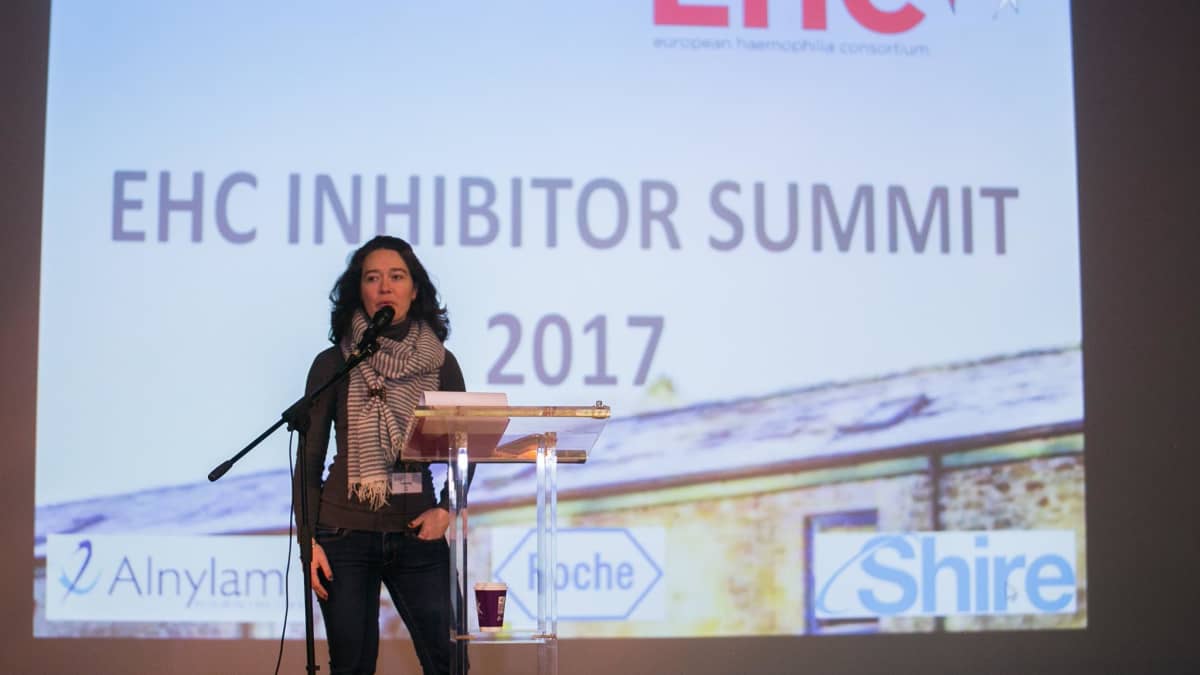
At the beginning of December, the second conference for inhibitor patients took place in Barretstown, Ireland, intended for haemophilia patients with family companions. The most beneficial presentations were about ongoing clinical trials, new studies being conducted on animals, and also very practical demonstrations on the topic of meditation. Participants with inhibitors were divided into groups by age, and each group then discussed topics relevant to those present. Parents and partners formed a separate group, providing space for moderated discussion and sharing of personal experiences. Approximately half of the conference attendees had attended before, while the other half came for the first time. Most of the presenting physicians were from Ireland or England, and other speakers included former president of the Canadian Hemophilia Society Craig Upshaw.
Why is this event held in Ireland, on the edge of Europe? Barretstown, a camp for seriously ill children (oncology patients, haemophilia patients) and a non-profit organisation, is located 40 kilometres from the capital city of Dublin. Camps for children from Ireland and beyond take place here every summer. Everything remains free for participants, including travel costs for children and their companions. Barrier-free facilities are a given, and a range of sporting activities such as mini golf, archery, horse riding, and more are available. In addition, very well-trained volunteers look after the children, so parents can devote themselves to education and mutual exchange of experiences. The only condition or requirement is the need to communicate in English.

The treatment of haemophilia with inhibitors was discussed in great detail. In some European Union countries, patients with inhibitors still do not have access to prophylaxis with so-called By-Passing Agents, which include FEIBA and NovoSeven. Already last year, two promising methods of treating haemophilia with inhibitors were presented here -- not the inhibitor itself; only immune tolerance induction therapy addresses that. This year, it was a pleasant finding that one of the drugs had already reached the clinical trial phase. Based on the personal experiences of several attendees, it is a revolutionary product with great potential for the future. Among the studies on animals presented this year was primarily research on reducing the incidence of inhibitors. One possible approach could be the administration of factor to the mother of a future haemophilia patient, or alternatively inducing tolerance through food containing the missing factor. Both research projects are currently being conducted on laboratory mice.
From a personal perspective, I find this conference very beneficial, as all participants are in a difficult situation that they are trying to resolve. Through this, they gain contact with others whose health conditions are similar and whose difficulties are alike. Over the course of the weekend, they can exchange tips and at the same time gain new information from experts in the field. Everyone is very friendly, from the organisers to the participants themselves. Great thanks are therefore due to all who participated in the preparation of this event, which was truly a success.
Photo gallery on the European Haemophilia Consortium's Facebook
Jan Pucek