15/12/2025
Interview with Anna Franziska Fleming
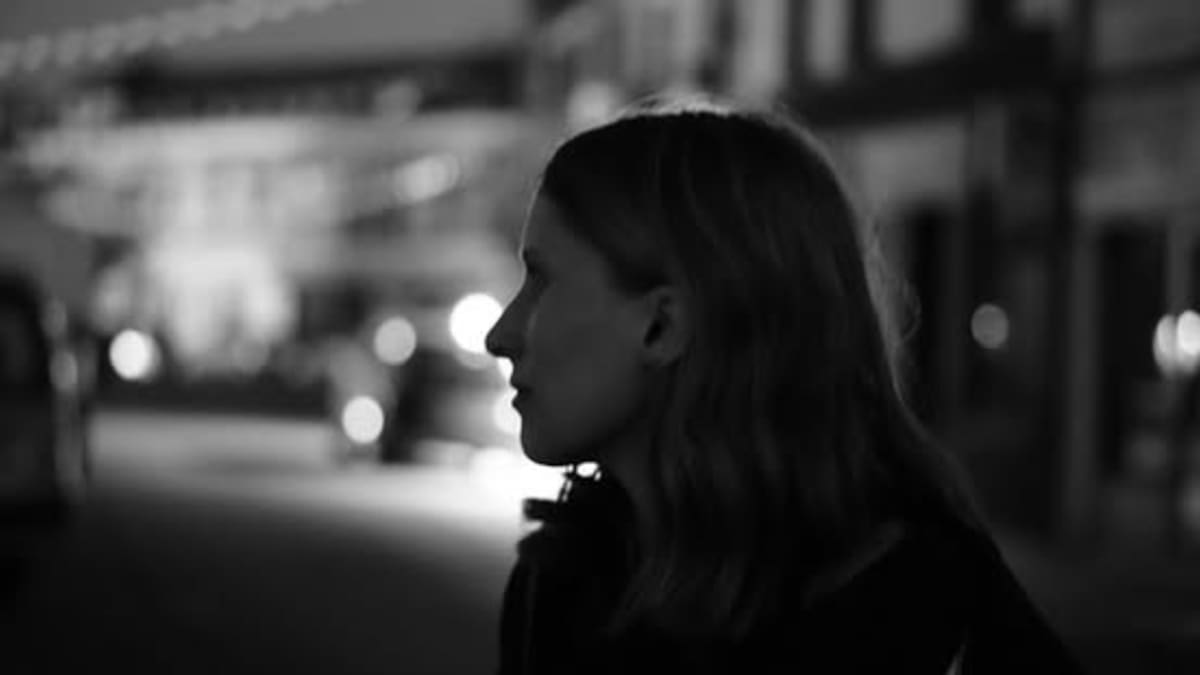
Anna Franziska Fleming is a 33-year-old German woman with severe hemophilia A. In this interview, she shares her life with this rare diagnosis, her love for mountaineering, and her abalone tattoo – a sea creature that has no blood coagulation.
Dan: Can you introduce yourself in few words?
Anna: My name is Anna, I am 33 years old and have severe Haemophilia A. I live in Germany and my profession is a social worker. In my spare time I am interested in theatre and culture. I also like to do sports very much and regularly.
Dan: Hemophilia is talked about mainly in the context of men. What was/is it like for you to be a woman with haemophilia?
Anna: Women with haemophilia are still often overlooked. Within the community this has changed in the meantime, but in the health care I do not yet see such a clear change. We often have the problem that our gender-related needs are not properly seen and understood. Women with haemophilia often have the problem that they have great difficulties with finding good gynaecological care. There are few doctors in this area who are really familiar with haemophilia. Even other doctors who are not haematologists often do not know their way around. It has often happened to me that I was not believed or listened to.
Dan: Recently, conferences have started to address women with bleeding disorders as well. Which topics do you think are still insufficiently discussed or considered taboo?
Anna: I think what is often overlooked are the effects of the gender health gap on the care of women with haemophilia. Often the poor supply is attributed to an individual fate and not considered a systemic problem. The Gender Health Gap describes the health inequalities between men and women that arise because disease symptoms, diagnosis and treatment methods are often oriented towards male bodies and gender differences are ignored. Women with haemophois are often not taken into account and this is not only because only a few women are affected. It is also because women's bodies in the entire health care system are considered as a change from the norm and women are often generally taken less seriously when it comes to symptoms. In addition, there is sometimes a blind spot in the area of sexism in the mostly male community. Even at community events, everyone involved should be sensitive and consider whether women can feel comfortable in the presence. Sometimes I perceive that jokes are made that many find funny but do not create a pleasant atmosphere for women.
Dan: You are a great lover of mountains and climbing. How did you get into this sport? Did doctors have a problem with it?
Anna: I love climbing and mountaineering. I approached very slowly and started very small. It was only at the age of 25 that my health was good enough that I could also start to trust myself more. Of course, it is very important that I have a well-adjusted prophylaxis. My doctor at the haemophilia centre has always supported me a lot and has considered together with me how I can achieve my goals in a save way.
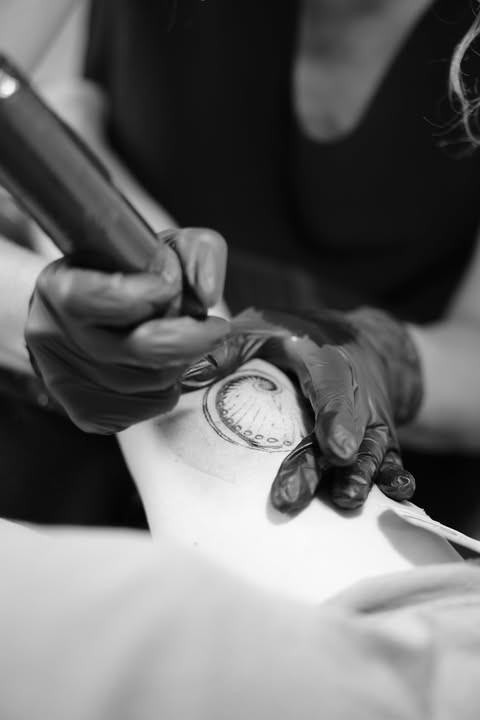
Dan: I know you recently got a hemophilia-related tattoo. What is it and what does it mean to you?
Anna: I actually got a tattoo this summer. It's an abalone. This is a snail that lives in the sea. These animals do not have blood coagulation. For me, this snail is a symbol of my journey with haemophilia. I used to have a lot of bleeding. Meanwhile, thanks to modern therapy, I am doing so well that I feel almost completely healthy.
Dan: What message would you like to send to young girls and boys with a bleeding disorder?
Anna: I hope you can achieve your dreams and goals! I wish you that you can lead a life as fulfilled as possible and rarely have to think about your haemophilia. We are all much more than our disease and can achieve a lot if we are well cared for medically.